What Does a Loss Adjuster Do? How Insurance Claims Are Assessed in Georgia
What Does a Loss Adjuster Do? How Insurance Claims Are Assessed in Georgia
A loss adjuster is the specialist who investigates an insured event, values the damage and prepares an impartial report for the insurer. If you hold a policy in Georgia, the country in the South Caucasus, you will probably meet one after a car accident, flood, fire or any other property loss. This guide explains what they do, who appoints them and what to do if you disagree with the outcome.
What does a loss adjuster do?
A loss adjuster is a qualified professional who investigates the facts and the loss connected with an insured event. Their work typically covers:
- Studying the circumstances of the event
- Inspecting the damaged property or site
- Determining the scale of the loss
- Collecting photos and other evidence
- Checking invoices, estimates and other documents
- Analysing whether the event matches the policy terms
- Calculating the amount of the loss
- Preparing a report and conclusion for the insurer
How the insurance claims process works with a loss adjuster
From reporting a loss to final payment, claims handling usually follows these stages.
Step 1: Report the event
The insured person or policyholder notifies the insurer. Typical examples include a flooded apartment or house, fire, damage to commercial premises, equipment damage and material damage to a business.
Step 2: Investigate the circumstances
The adjuster works out what happened, how, what caused the damage and what it consists of. This may involve:
- Visiting the site
- Photographing the damage
- Interviewing witnesses or participants
- Reviewing relevant documents
- Reviewing police, fire service or other authority documents
- Using the opinions of technical specialists
The goal is to establish the actual facts as precisely as possible.
Step 3: Assess the loss
One of the adjuster’s main tasks is to estimate the financial scale of the damage. If a water leak damages commercial premises, for instance, they may assess floor damage, calculate wall and ceiling restoration costs, identify damaged inventory, estimate repair costs and compare the supporting documents.
Step 4: Check the policy terms
Valuing the damage is only half the job. The adjuster also checks whether the policy covers the event, looking at:
- Coverage and sum insured
- Deductible
- Exclusions
- Policy period
- The insured’s obligations
- The conditions of the specific insured event
Step 5: Report to the insurer
The adjuster prepares a report and conclusion, which the insurer relies on when deciding the claim.
What is a deductible (franchise) and how does it affect your payout?
A deductible, called a franchise in many policies, is a non-reimbursable minimum agreed between the parties when the policy is bought. The insurer does not pay it when a loss occurs, so the insured covers it from their own funds. If your policy has one, its size can change the final compensation.
Who appoints the loss adjuster in Georgia?
In common practice in Georgia, most insurers engage an independent loss adjuster to assess the damage. Sometimes the insurer handles the claim itself through its own specialists, but this function is usually delegated to a third, independent and objective party.
When you buy a policy, ask who will assess losses and whether that party will be independent. If an independent adjuster is not involved in your claim, you, as the policyholder, always have the right to request one.
Does the loss adjuster decide whether the insurer pays?
No. The adjuster’s conclusion carries real weight, and insurers rely on it first of all when reviewing a claim. But an objective conclusion does not give the adjuster power to change the insurer’s decision.
Why does the loss adjuster’s involvement matter?
Even a seemingly small loss can hide complex technical or financial issues. An adjuster is especially important when you need to:
- Establish the real scale of the loss
- Investigate the cause of the damage
- Value a large volume of property
- Analyse repair costs
- Verify documents
- Prepare a detailed report on the event
A professional assessment helps ensure the payout decision rests on documented, impartially recorded facts.
How to get fair compensation: 4 practical tips
- Know your policy terms before anything happens.
- Notify the insurer promptly.
- Keep all evidence: photos, invoices and documents.
- Cooperate with the loss adjuster.
Already had a loss? Contact our loss adjusters.
Loss adjuster FAQ
What does a loss adjuster do?
They investigate an insured event, inspect the damage, collect evidence, check documents against the policy, calculate the loss and report impartially to the insurer.
Does the loss adjuster make the final decision on compensation?
No. The assessment is used when the claim is reviewed, but the final decision depends on the insurer, the contract and the applicable rules.
What if I disagree with the insurer’s assessment?
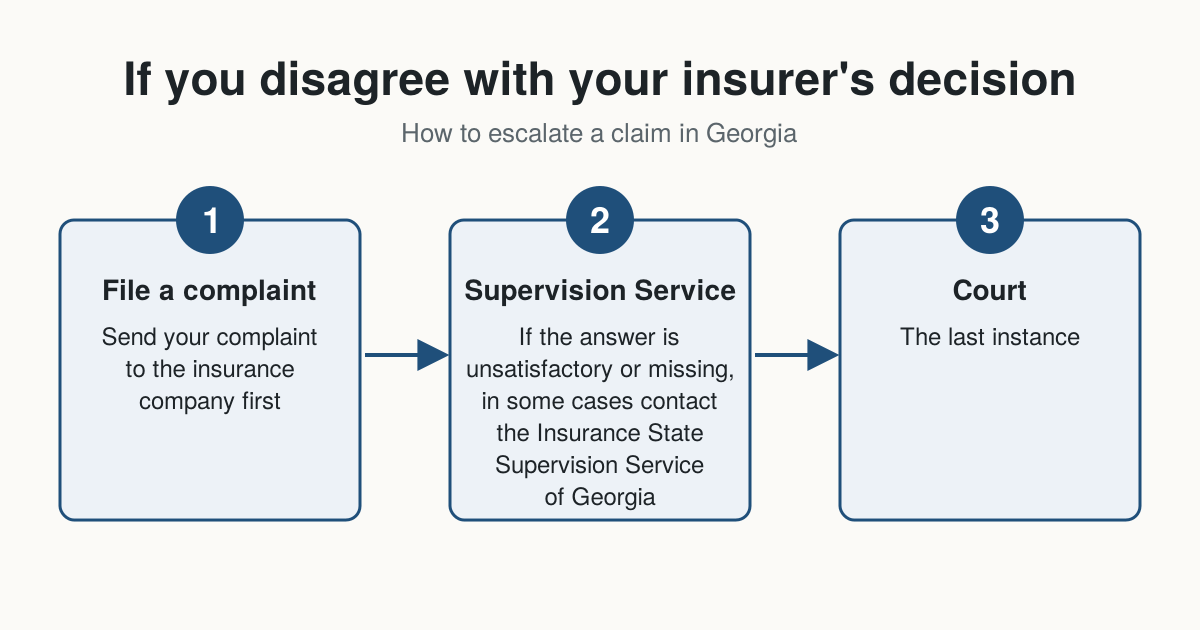
First file a complaint with the insurer. If the answer is unsatisfactory or you get none, you may in some cases turn to the Insurance State Supervision Service of Georgia.
Is a loss adjuster needed for every claim?
No, although most claims need an assessment. It depends on the type of event, the size of the loss, the insurer’s procedures and the policy terms.
Who appoints the loss adjuster in Georgia?
Most insurers engage an independent adjuster. If none is involved in your claim, you can request one.
What is a deductible (franchise)?
A non-reimbursable minimum agreed at purchase. The insured pays it from their own funds.
Had a loss and need it assessed?
Our loss adjusters inspect the damage, document the facts and prepare an independent report. Send us the basic details of your case and we will tell you how we can help.